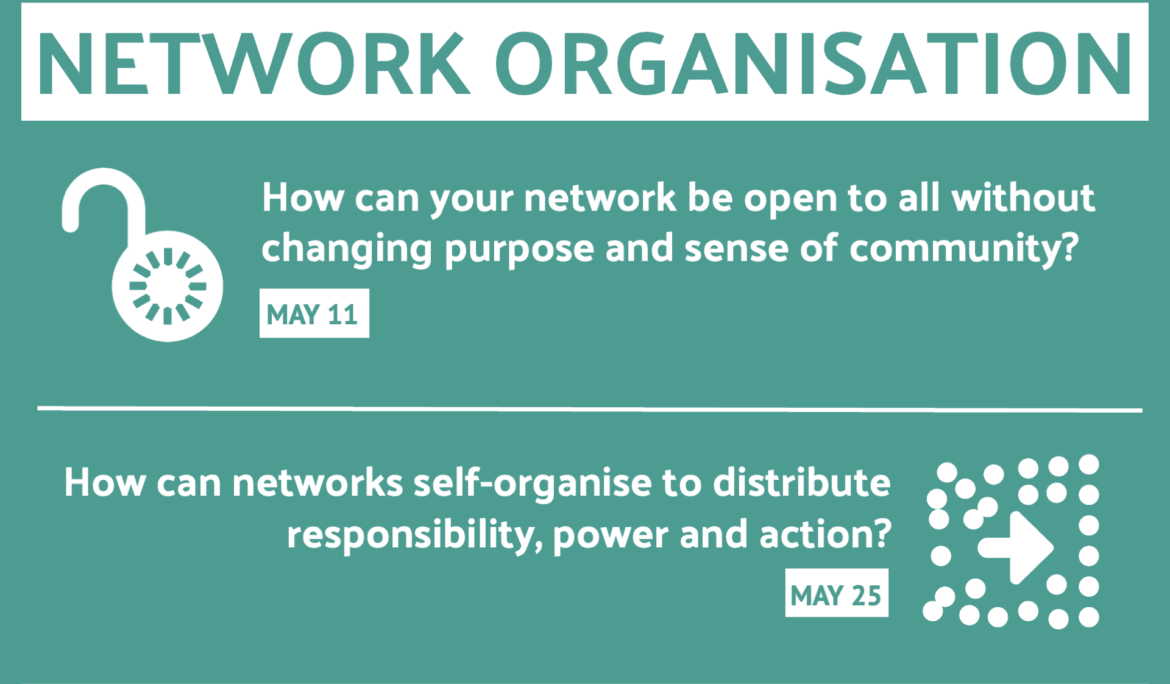
ENACT! On Network Organisation
Events on methods and models of organising through networks …
ENACT! on Movements
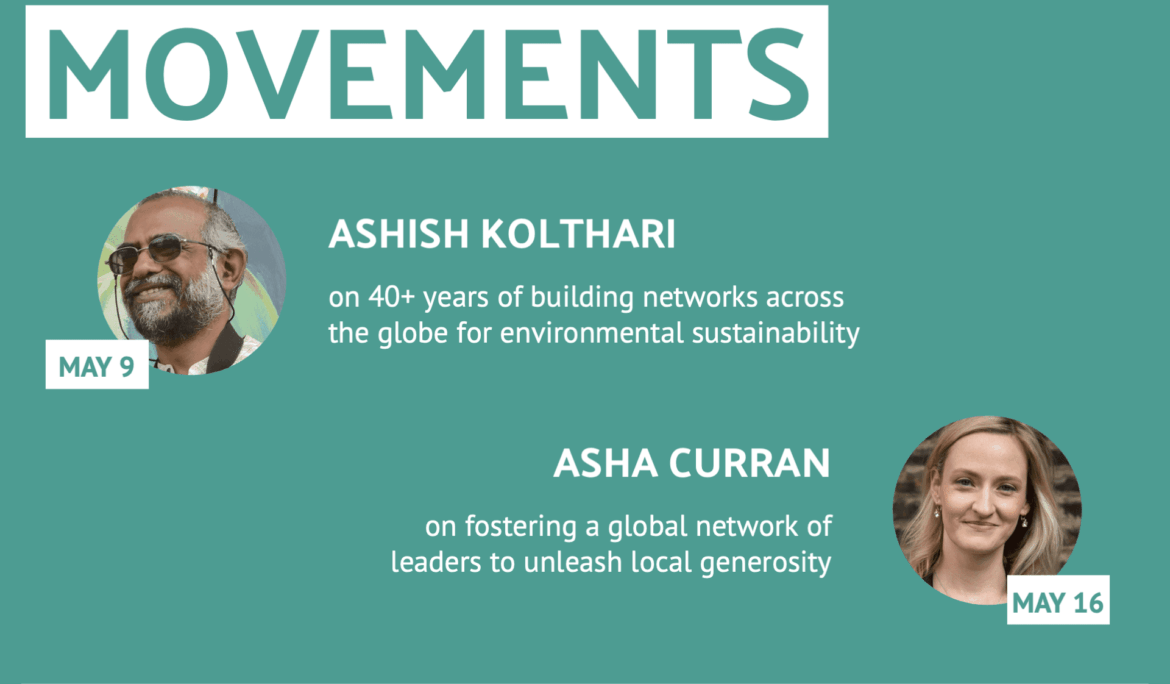
ENACT! is an international festival focused on how networks and communities can create transformational change around the world. If you work with networks, support networks, or are curious about networks, this festival is for you! Browse our selection of events below focusing on advancing movements through network approaches. Click each to register. On May 9, Ashish Kolthari – an incredible Indian environmental and social justice activist – shares his 40+ years’ experiences fostering networks and movements across the globe for environmental sustainability. On May 16, Asha Curran – head of the international movement Giving Tuesday and network-building extraordinaire – shares …
Exploring the intersections of gender, marriage and exclusion in Pakistan
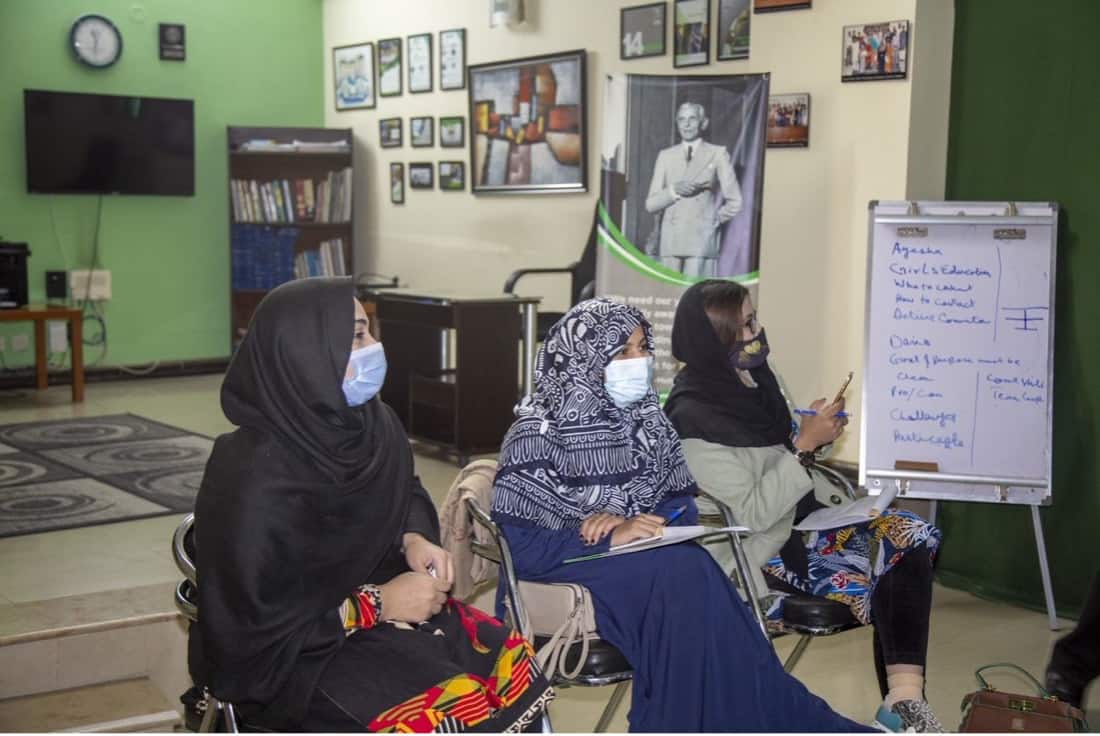
Written by Yusra Akhtar In this blog, our Project Lead, Yusra Akhtar, explores the nexus between marriage, gender and exclusion shaping many young women’s lives in Pakistan. Drawing on conversations between civil society and community-based practitioners, Yusra delineates some of the challenges and barriers to young women’s participation, and she also celebrates the great strides made by local change makers, mobilising for systemic changes and transformation. In 2021, inHive and Pakistan Youth Change Advocates (PYCA) initiated a girls’ empowerment project, which brings alumni networks to schools in rural Khyber Pakhtunkhwa (KP), Pakistan. During the process of recruiting, coaching and training …
Social Change Networks Playbook
The Networks Playbook is the product of a participatory learning journey we co-created in 2021. Together, we addressed some of the key questions, challenges and opportunities of impact networks, as well as good practices in facilitating and funding networks. This playbook is our contribution to share these learnings and support fellow practitioners and funders who develop networks for social impact. This playbook begins to share ideas and frameworks around: How do we most effectively take networks from talk to action? How do we convey the value of networks? What are good practices to build networks? How can networks drive systems …

Being Kainat: the story of a young entrepreneur from Peshawar, Pakistan
23-year-old Kainat’s story with inHive starts off when she applied as a volunteer and young leader for the inHive – PYCA joint project on alumni networks in Pakistan. After undergoing training and coaching over the last year, Kainat is currently involved in initiating alumni networks in her old school in Peshawar, a region where women are discouraged from large-scale participation in the economic and public sector. In this article, Kainat reflects on her journey as a young entrepreneur in Peshawar and shares her aspirations for the future. Written by Yusra Akhtar, Project Lead at inHive “Unfortunately, in some parts of Pakistan, women conducting business in public …
Anti-Resolutions Revisited: Something Borrowed, Something New
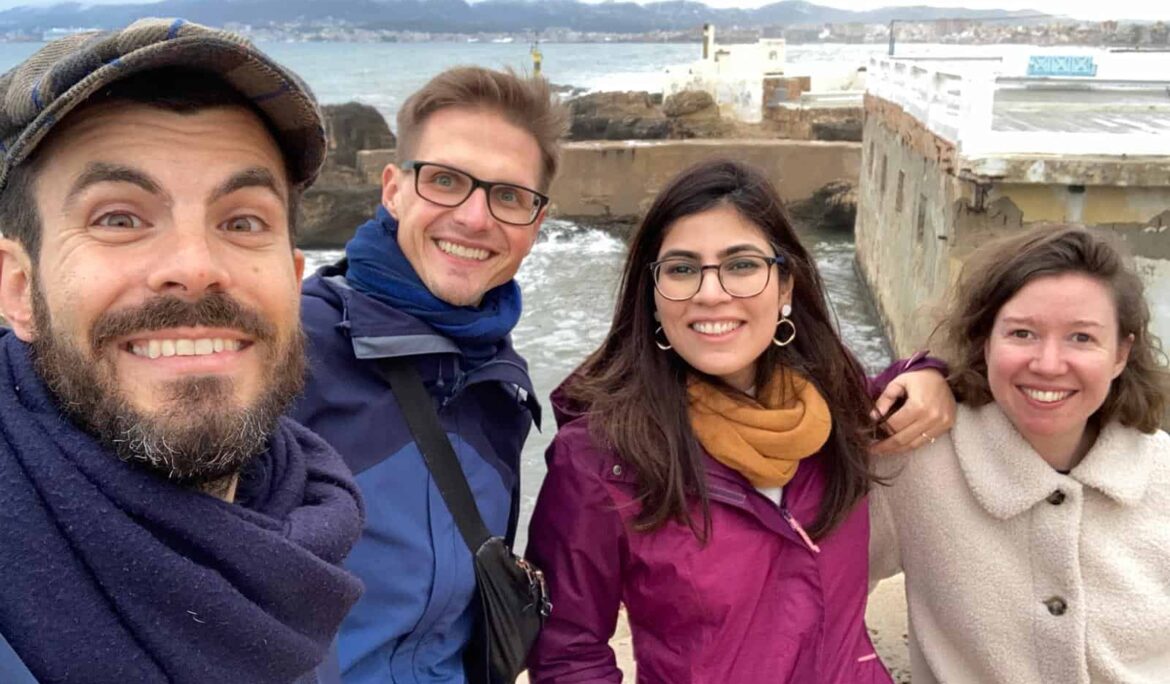
BY ABI NOKES, inHive’s OUTGOING CEO This time last year, I decided to throw away the idea of new year resolutions. Instead, I wanted to create a practice of setting core principles for the new year that could act as a guiding star for inHive alongside our vision. Sharing these publicly was a way to hold ourselves to account and navigate the changes and uncertainties of a life under the shadow of a pandemic. We’re starting the new year with continued uncertainty of COVID variants – changes that are new and yet the same. Changes will continue to shape inHive’s work this year too. There are new partnerships that are on the horizon as well as new leadership, as I step down from the role of the organisation’s CEO after 4 years next month. So, it seems only appropriate that we start the year by revisiting the …
Harnessing Networks For Good
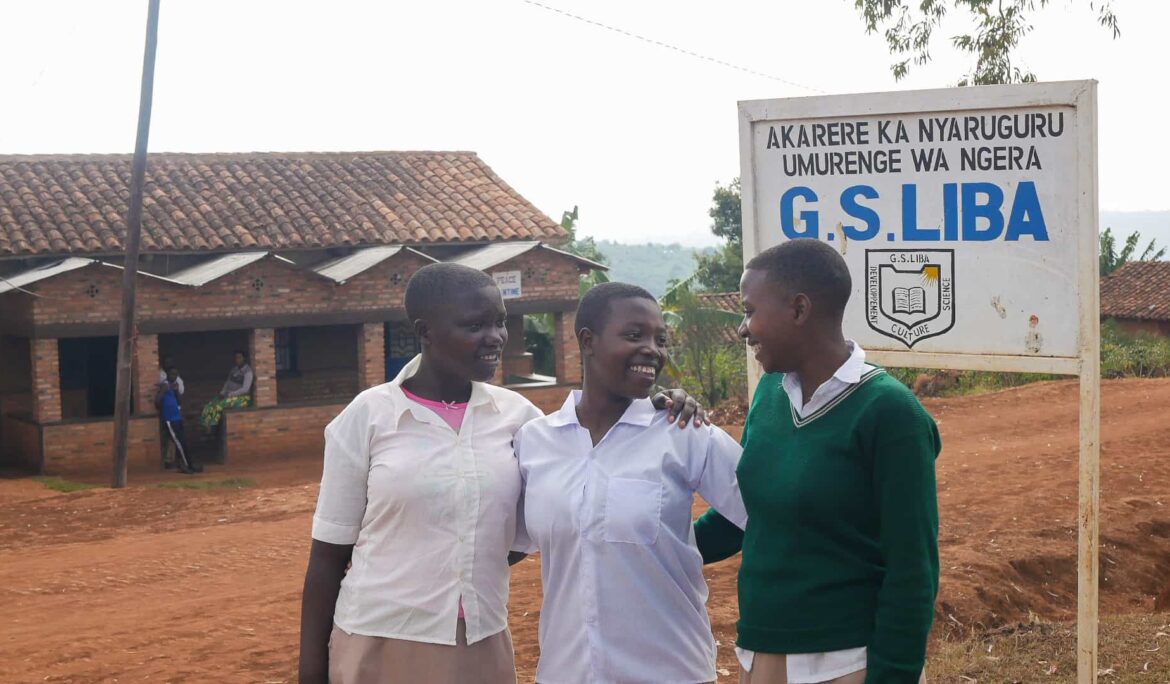
BY PRERNA ASWANI This post was originally published on Warwick University Blogs Networks are inherently complex. And increasingly, I can’t help but think that like social media, networks are a tool that can be used both for good and bad: networks can catapult positive social change, but also have complex power dynamics embedded within them. On one hand, they are by definition exclusionary: they are usually based on members having a shared characteristic or history that others do not. These types of affiliation can grow out of all sorts of shared traits or experiences, whether it be profession, religion or educational experiences. Yet networks, …

10 Lessons on Building and Supporting Networks
BY ABI NOKES AND DANNY GILLILAND This post was originally published on HundrED In this collaborative article co-authored by HundrED Head of Growth Danny Gilliland and Abi Nokes Chief Executive Officer at inHive, explore networks. Danny and Abi are on a life-long journey to learn and connect. They spend their professional lives geeking out about the part networks can play in driving positive change and equity in education systems, and the back-end support they need for this to be realised. In this article, they share 10 recommendations on how to build and support networks. Networks have been experiencing something of a …
Diaspora Networks: What brings us together
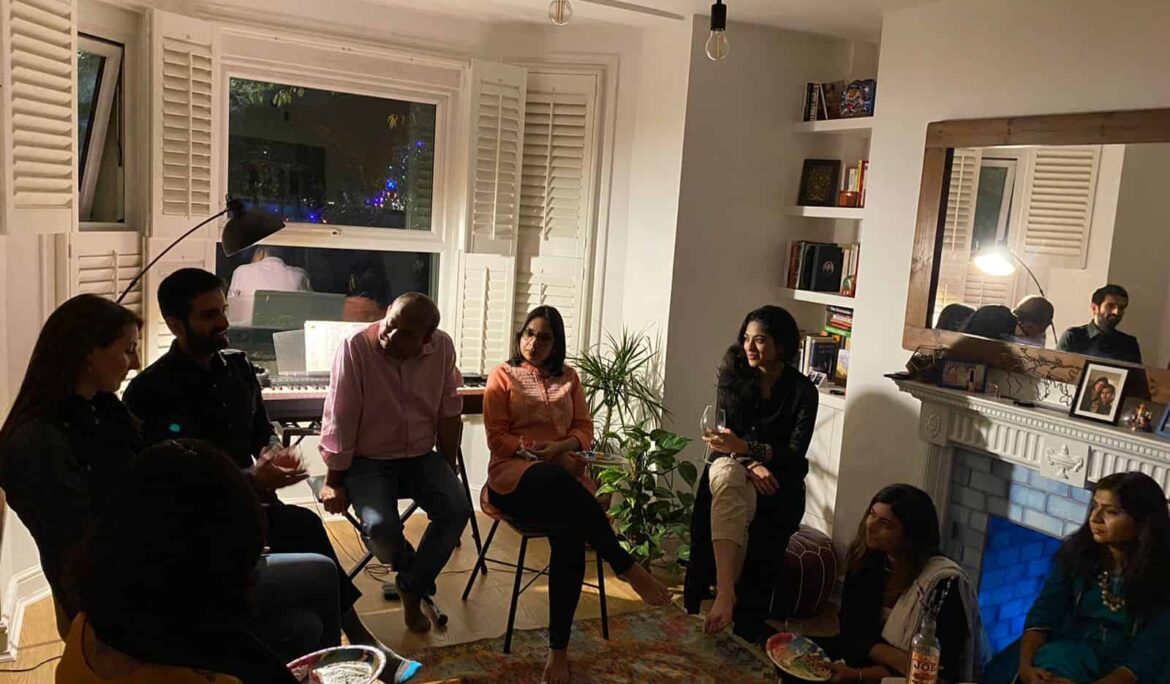
By Prerna Aswani In interviewing the founders of two diaspora networks, the Oliver Kamanzi from the Chicago based African Global Chamber of Commerce and Utkarsh Amitabh, from the global career exploration network, Network Capital, our colleague Prerna explores what binds diaspora networks together. At inHive, we often speak about harnessing the power of your hive, whether this be your local community, those who you have grown up with, gone to school or university with or participated in a programme with. Alumni of schools, universities or even other institutions have a sense of belonging that comes from a shared experience that …
About Us