Lloyd’s Register Foundation
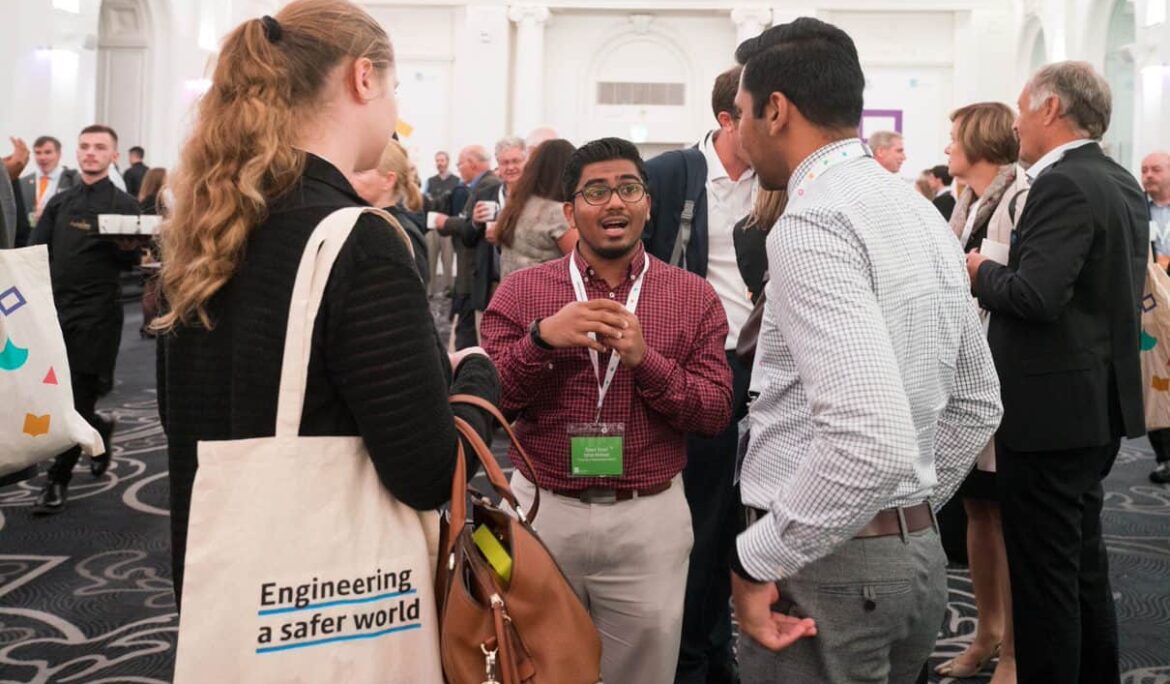
The Lloyd’s Register Foundation is one of the leading supporters of engineering-related research, training and education worldwide. Established in 2012, its mission is to protect the safety of life and property and to advance transport and engineering education and research. InHive has been supporting the Foundation since February 2020, as it establishes a network of current and former beneficiaries of their grants and other activities which connect science, safety and society. Following in-depth stakeholder consultations, inHive will continue to advise the Foundation as they create this global network. Natalie Ferguson, Senior Programme Manager at the Lloyd’s Register Foundation said: “Lloyd’s Register Foundation is excited to work …

THE ROYAL NATIONAL CHILDREN’S SPRINGBOARD FOUNDATION
The Royal National Children’s SpringBoard Foundation is the UK’s largest boarding school bursary charity. They provide life-transforming opportunities for disadvantaged and vulnerable children and young people in 100 state and independent boarding schools. To date they have supported more than 700 pupils, who embody the values of their boarding education well after they’ve left school, including a desire to give back. In Summer of 2020, inHive supported Royal SpringBoard in strengthening their emerging alumni strategy, including identifying activities, messaging, and evaluation methods. Through their new alumni engagement, they seek to nurture a sense of Royal SpringBoard community whilst furthering their young people’s …
PEDN Final Report (2020)
In 2018 inHive started its partnership with the leading Ugandan youth-focused non-profit organisation, the Private Education Development Network (PEDN), to introduce new ways of thinking about engaging former learners in 92 primary and secondary schools. Our project was funded through Opportunity International’s grant within the UKAID Girls’ Education Challenge (GEC-T) and enabled PEDN and inHive to train teachers on how to set up sustainable and engaged alumni networks at their schools. Throughout the 2019 school year, former students, so called Old Boys (OB’s) and Old Girls (OG’s) have been helping improve the life outcomes for more than 22,000 girls and …

POLICE NOW: TRANSFORMING COMMUNITIES
Police Now recruit and develop outstanding graduates and career changers to be inspirational detectives and police officers who transform communities and break the link between crime and deprivation in the UK. Since 2020, we have been supporting Police Now in their Connection for Life initiative, which will create a network of their participants and ambassadors to build a movement for change in policing. We have advised on the strategy for designing the leadership structure, communications and impact evaluation of the network that is envisioned to grow to 5000+ participants over the next 2 years. Pippa Mildred, Ambassadors and Communities Manager …

Giving Options and Having Choices: How Young People Become the Focus of Alumni Committees
Written by Ján Michalko, edited by Madeleine Harris In late August the Mastercard Foundation officially launched its first alumni network committees in Ghana, Rwanda and Uganda, after several months of recruiting and onboarding young people and supporting them as they plan activities and communications campaigns. In this blog our Senior Project Lead, Ján, reflects on our experiences with putting young people at the center of the selection process and operationalizing our value commitment to being youth focused. It was close to 11 o’clock at night in California when I first met Zaharah for her interview to become one of the …

Building Alumni Networks for Kenyan Public Schools: Why it Matters
By Pauline Wanja, CEO, Future First Kenya This guest blog by Pauline wraps up the week-long series on alumni engagement in Kenya in times of COVID. Reflecting on her journey with FFK, Pauline charts out the future of the organisation and the Association of Alumni Communities as a vehicle to drive change in the country’s education system. When I joined Future First Kenya, my job description seemed straight forward: to pilot an alumni model in Kenyan schools, which was inspired by the success of a similar alumni engagement model in the UK. It was supported by a national survey …

Faith’s story: Growing up with children of military servicemen, Faith and her fellow alumni of Moi Forces Academy return to the barracks to talk to young people about their future.
By Ján Michalko (Faith’s story was part of the 2020 series on alumni association leaders in Kenya prepared by inHive in collaboration with Future First Kenya to commemorate the start of Term 3 of the school year, which was cancelled due to the COVID -19 pandemic) Know your past, to understand your future. This saying springs to my mind as Faith tells me about one of the online activities that she organised for the Moi Forces Academy (MFA) Alumni Association just a few weeks ago. The event showed the former students of the Academy the rich history of their school. …
Future First Kenya: Impact Report 2019
While a culture of Alumni community-building exists in Kenya, practice is sporadic and professional support is virtually non-existent. Alumni Communities, therefore, exist as loose social networks rather than purpose-driven groups that can be mobilised to support young Kenyans through the school to work transition, provide social, governance and financial capital to public schools and better advancement for alumni. Years ago, we set out to systematically support Public schools to engage their alumni better. Every data we have collected over the last six years indicate a ripe environment for mass alumni activity in Kenya school. We have shared some of these …
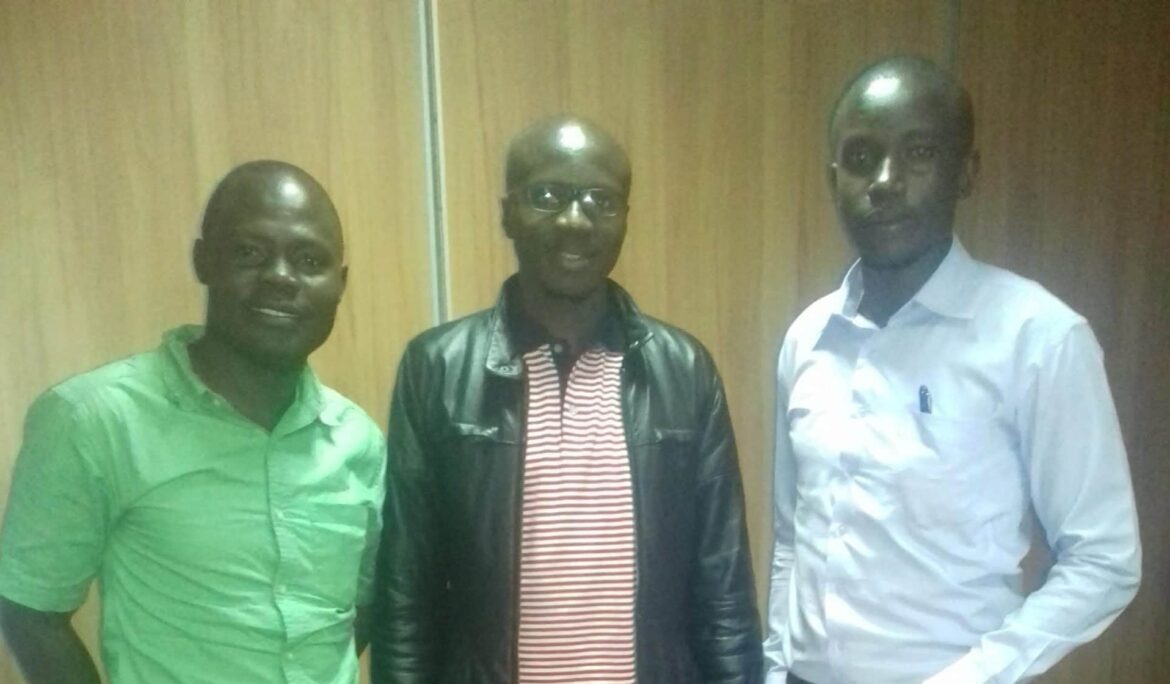
Vedis’ story: As a student, Vedis wished for someone to guide him, so now he works with other alumni to advise students at St George’s Sikri to set them up for success
By Ján Michalko (Vedis’ story was part of the 2020 series on alumni association leaders in Kenya prepared by inHive in collaboration with Future First Kenya to commemorate the start of Term 3 of the school year, which was cancelled due to the COVID -19 pandemic) Vedis messages me that he is running late for our WhatsApp call. Nairobi traffic. That’s all he has to say. He is traveling back home from work at a warehouse, which stores medical supplies and pharmaceuticals. I imagine there is no shortage of work for him as COVID-19 spreads across Kenya and supplies need …
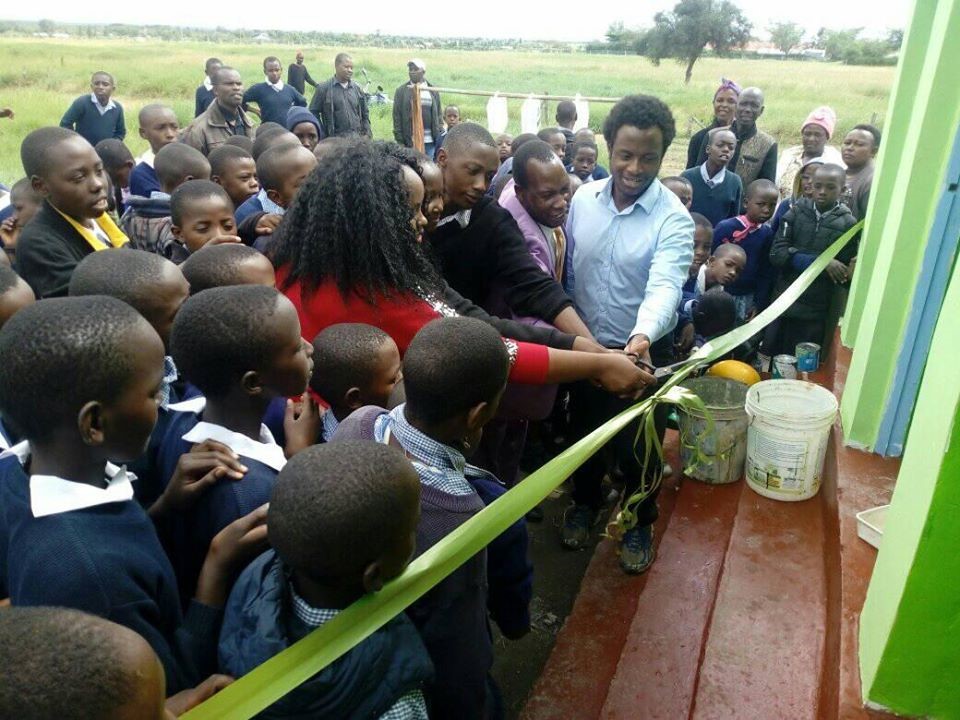
Victoria’s story: Remembering the girl she was, Victoria mentors students at Mugoiri Girls’ High to deal with transitions and challenges of girlhood.
By Ján Michalko (Victoria’s story was part of the 2020 series on alumni association leaders in Kenya prepared by inHive in collaboration with Future First Kenya to commemorate the start of Term 3 of the school year, which was cancelled due to the COVID -19 pandemic) One of the many things that became part of the our ‘new normal’ in the time of COVID are apologies; or to be more precise, our work from home routines have forced many of us to apologise – for noise. ‘Sorry for the drilling – my neighbour is fixing his back yard.’ ‘Sorry if …
About Us