Diaspora Networks: What brings us together
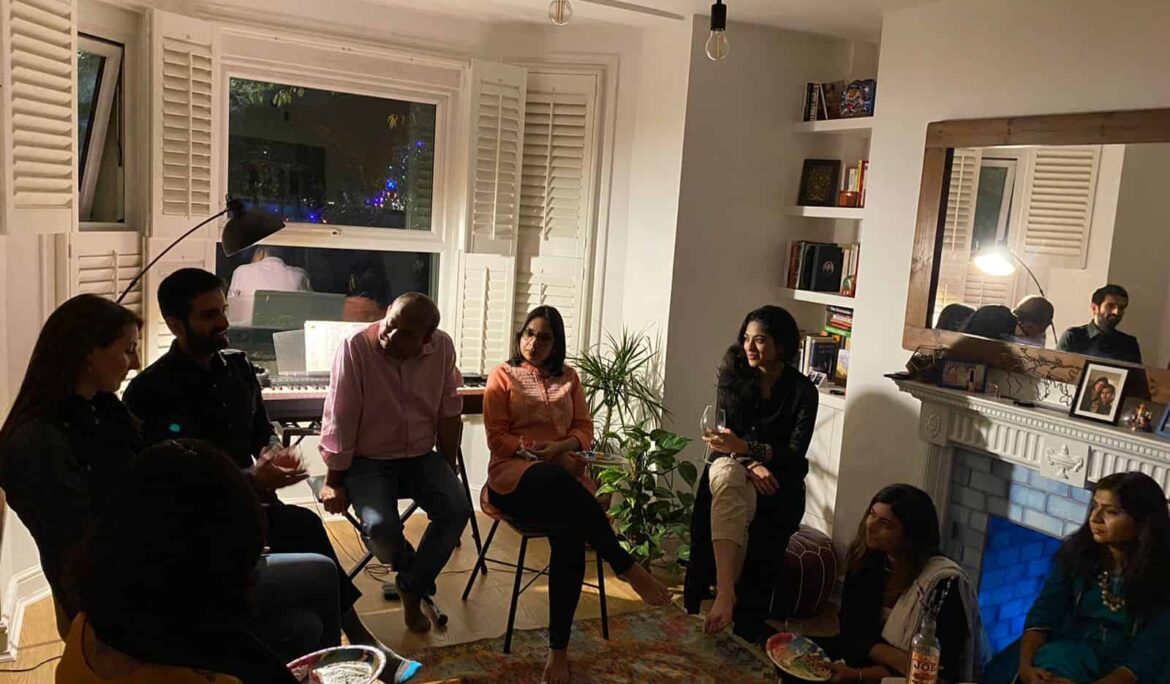
By Prerna Aswani In interviewing the founders of two diaspora networks, the Oliver Kamanzi from the Chicago based African Global Chamber of Commerce and Utkarsh Amitabh, from the global career exploration network, Network Capital, our colleague Prerna explores what binds diaspora networks together. At inHive, we often speak about harnessing the power of your hive, whether this be your local community, those who you have grown up with, gone to school or university with or participated in a programme with. Alumni of schools, universities or even other institutions have a sense of belonging that comes from a shared experience that …
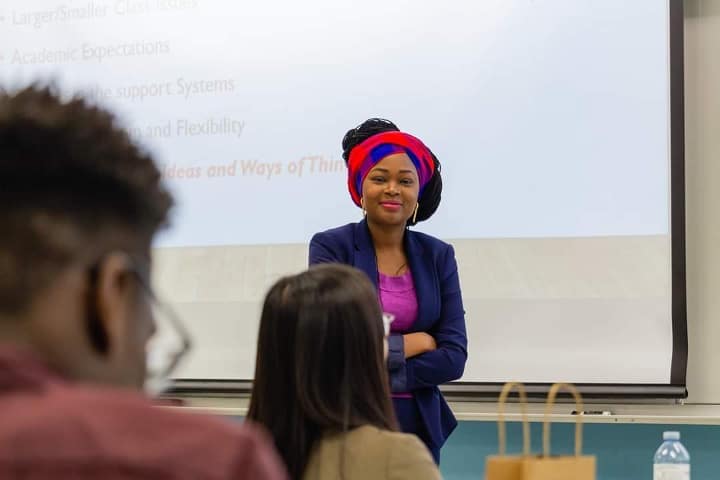
NOVEMBER SPOTLIGHT SERIES #3: Emmanuela Alimlim, Mastercard Foundation
Today we share the final instalment in this month’s partner spotlight series. Following Hisham’s and Julie’s stories, this blog takes us to Toronto, where Emmanuela works for the Mastercard Foundation’s Scholars Program. Emmanuela joined the Foundation after leaving Kenya on a scholarship to study economics in Canada. She is a young leader who cares for and about young people on the continent and so she has been a vocal advocate for deep listening about their issues in the North American chapter of the Foundation’s alumni network. By Emmanuela Alimlim, Program Analyst at the Mastercard Foundation and Ján Michalko Ján Michalko: The Frame Neither one of us remember …
November spotlight series #2: julie khamati, fawe
Last week, we started our second annual campaign, in which we shine light on the work and lives of our colleagues and friends in partner organisations. In the first blog in the series, we heard from Hisham (PYCA), and today we welcome to the website Julie from Forum for African Women in Educationalists (FAWE). Our Senior Project Lead, Gemma, offers an introduction to inHive’s work with FAWE since February of this year. Julie’s blog then depict some of the issues in their sector and countries, as the regional secretariat she is part of support activities across the African continent. Networks to support everyone: creating collaborative spaces By Gemma May and Julie Khamati, Programme Assistant (Alumni Coordinator) at FAWE, Kenya When we first started working with Julie, we found a big community of women and men who had a strong affinity to FAWE’s vision and a desire to connect …
November Spotlight Series #1: Hisham Khan, Pakistan Youth Change Advocates
In November 2020 we launched a special month-long campaign in which we shone light on the work and lives of our colleagues and friends in partner organisations. Elie, Unaza and Pippa joined us as guest writers to reveal what their day-to-day work looks like as they mobilize various stakeholders for transformative change and to share some of their views on complex challenges they are trying to address. This November, we run our partner spotlight series again as we continue to be surrounded by inspirational network champions. We are welcoming to inHive’s website Hisham (PYCA), Julie (FAWE) and Emmanuela (Mastercard Foundation). As last year, the inHive team offer a frame to …
FAWE
In 2021, the inHive team started work with the Forum for African Women Educationalists (FAWE) to advise what steps the organization could take to advance its alumni network towards an engaged and self-sustaining community with a purpose of social transformation. The Forum for African Women Educationalists (FAWE) is a membership-based pan-African Non-Governmental Organisation that operates through 34 National Chapters in sub-Saharan Africa to promote girls’ and women’s education. FAWE’s vision, mission and goal are all resolute on the well-being of girls’ education. FAWE alumni, beneficiaries who participated in FAWE programmes and attended FAWE institutions, are the evidence of the organisation’s impact and are an expansive resource that supports the organization in fulfilling its mandate of empowering African girls and women with relevant skills and values to achieve their full potential. The organization’s theory of change as …
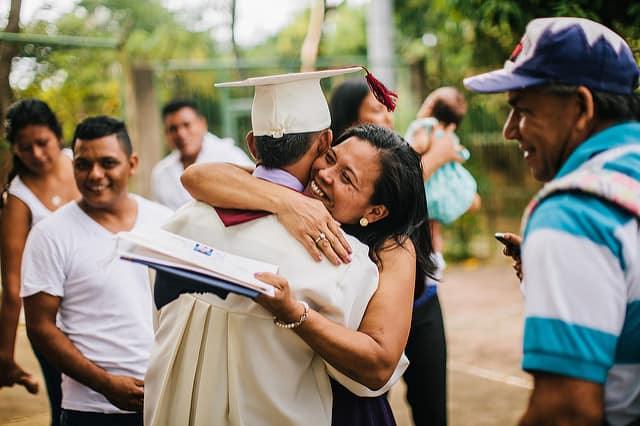
Fabretto
Fabretto’s mission is to empower underserved children and their families in Nicaragua to reach their full potential, improve their livelihoods, and take advantage of economic opportunity through education. At Fabretto, we believe in the power of education to enable children and youth—the future leaders of Nicaragua — to break the cycle of poverty. Our holistic approach to education involves the entire community. Through this project, Fabretto and inHive are partnering to assess the interests and needs of thousands of youth across Nicaragua who have graduated from Fabretto’s Technical Education program, including the innovative Sistema de Aprendizaje Tutorial (SAT) rural high school program and Fabretto’s university scholarship …
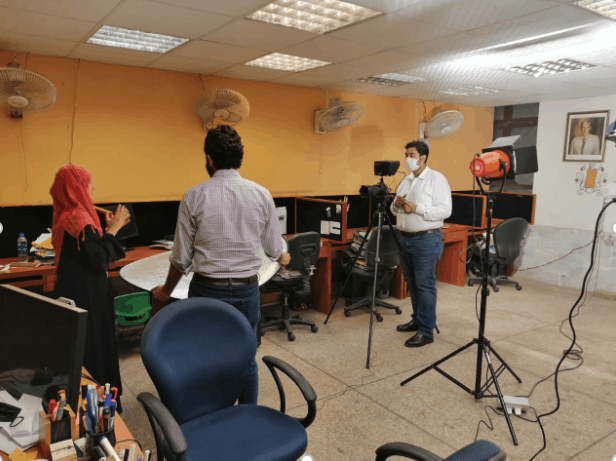
Lights, Camera, (Masks) Action: Making Training Videos in Times of COVID
By Muhammad Umair and Ján Michalko In this blog, Umair and Ján reflect on the experience working through the pandemic to complete a project between inHive and CARE Foundation to set up alumni networks in Pakistan. Funded by UKAID, the project turned towards online learning instead of in-person capacity building of school-based committees. They share how a 5-series training video programme was created with the help of alumni and what they learnt as they were pushed out of their comfort zone. We thought we had it figured out. Why wouldn’t we? Schools had just reopened after the winter holidays and …
Windle International
Education is a basic human right. It fosters human development, and provides not only knowledge but hope that a brighter future is possible. For communities affected by conflict, this is particularly important. For children and young people who are refugees and from the communities that host them, education is a means of protection against forced recruitment into armed groups, child labour, sexual exploitation and child marriage. It strengthens community resilience, and empowers communities affected by conflict by giving them the knowledge and skills to live productive, fulfilling and independent lives. However, the reality is that for many, the quality of …
Navigating the Liminal “Posts”:
Musings on learning and transformation with an alumni lens (Part 2) By Ján Michalko with Ben, Dela, Isadora, Jess, and Tamzin This is the second instalment of a two-part essay series in which Ján reflects on the role of inter-generational dialogue and learning with the help of our friends and colleagues from around the world. Focusing on crises and transitions, it shows how schools and young people engage in difficult conversations on histories and social justice and how alumni play a role in the process of social transformation. “Ignorance of history serves many ends. Sometimes it papers over the crimes of the present by attributing too much power to the past. Perhaps more often, it covers up past crimes in order to …
Navigating the Liminal “Posts”:
Musings on learning and transformation with an alumni lens (Part 1) Written by Ján Michalko with Dušan, Judka and Peter In the first instalment of a two-part essay series, our Senior Project Lead Ján reflects on the role of inter-generational dialogue and learning in contexts of crisis and transitions. The essays bring together experiences from our friends and colleagues around the world – from Slovakia to South Africa. They demonstrate how teachers and young people engage in difficult conversations on histories and social justice and how alumni can play a role in the process of social transformation. It was quite a surprise. A plane with COVID-19 vaccines landed in the eastern city of Košice in my home country of Slovakia to the welcome of the prime minister. You might think that in the midst of the pandemic, when our hopes were latched on the vaccines, this would be a reason for unconditional celebration. A positive surprise, one might say. The vaccines were, however, the Russian manufactured Sputnik V. At the …
About Us